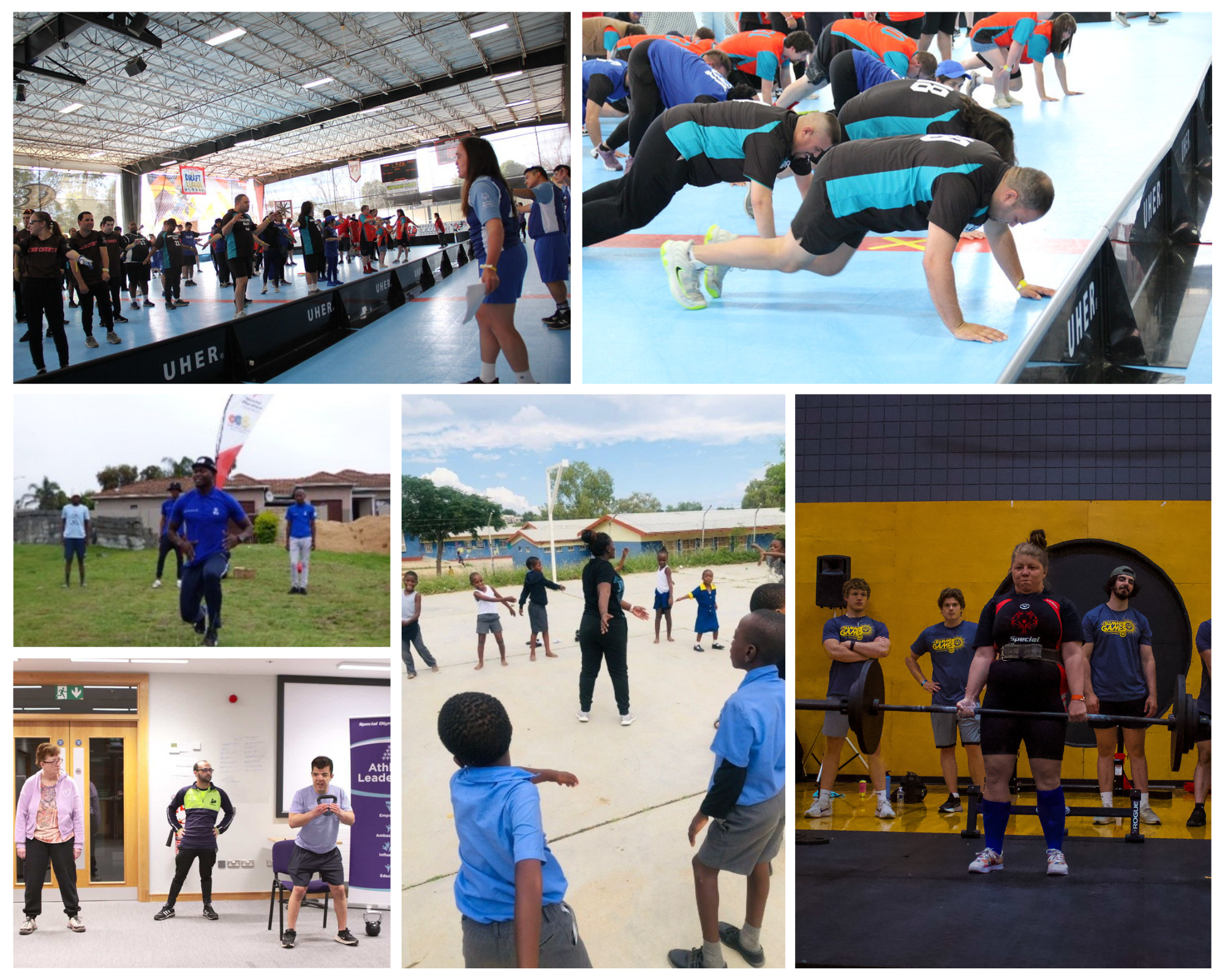
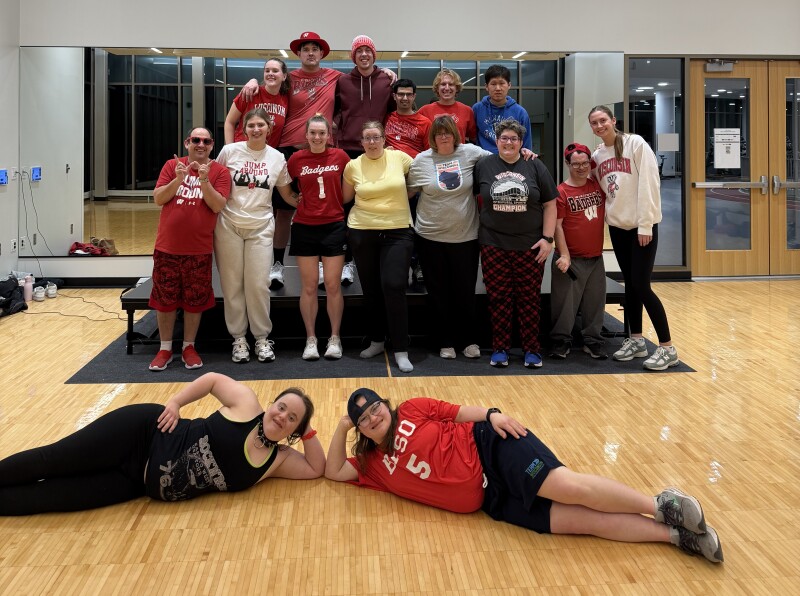
Sports and fitness are essential components of the Special Olympics movement. Through comprehensive year-round athletic training, competitions, and fitness opportunities, Special Olympics athletes are empowered to improve their health, build self-confidence, and experience belonging to their communities. At the heart of Special Olympics’ mission is a reminder that a movement doesn’t have to come with a scoreboard or a trophy to make a lasting impact. This focus on participation rather than performance is emphasized on National Recreational Sports and Fitness Day.
It is celebrated annually on February 22 in the United States. National Recreational Sports and Fitness Day Promotes physical fitness and participation in recreational sports for people of all ages and abilities. This day celebrates the importance of recreational sports and fitness in promoting health, wellness and community engagement, especially on college campuses.
National Recreational Sports and Fitness Day is supported by NIRSA: Leaders in Collegiate Recreation – an organization dedicated to developing recreation programs across hundreds of campuses across the country. Today, the association is comprised of thousands of leaders in the recreation and health industry, from indoor league directors and sports club members to fitness program facilitators.
Below, learn how UW-Madison is moving its campus Special Olympics Unified Sports® And uniformed physique.

Unified Sports promotes social inclusion by bringing together athletes with and without intellectual disabilities on the same sports team. At the University of Wisconsin-Madison, through the university’s Department of Recreation and Wellness and in partnership with Special Olympics Wisconsin, a passion for inclusive sports led to the formation of Badgers Special Olympics.
Throughout the year, the club participates in weekly team sports tournaments and competes in NIRSA regional and national championships, providing an opportunity for athletes of all abilities to work together as a team and build relationships with their peers while staying active. When the club isn’t competing, it focuses on developing healthy habits and working on leadership skills during dance-focused Unified Fitness workout sessions. Every Thursday evening, the Badgers gather at one of the modern entertainment centers for a night full of fun and expressive action!
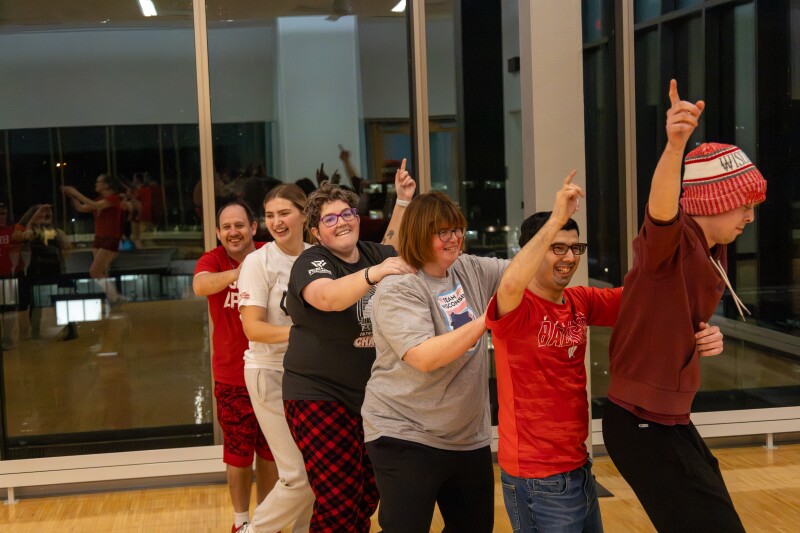
These workout sessions are more than just an opportunity for athletes to perform their favorite dance move. Annie Mulligan, a club and sports member with Special Olympics Wisconsin (SOWI), sees these training sessions as an opportunity to build community, centered around movement. When asked what her favorite part of Unified Fitness is, Annie said, “I love meeting new people and spending time with old friends.” “Every week is a different theme, so I’m doing a lot of exercise and learning new moves,” Annie added. While some simply enjoy the opportunity to dance, SOWI athlete Chris Black-Geliff noted that he enjoys the friendly competition aspect of Unified Fitness sessions, sharing, “My favorite part is the dance battle we have between dances.”
With broad support from Club President, Taylor Hoyman, and Unified Sports President, Caleb Palmer, Unified Fitness classes are managed by Riley Lynch but are shaped largely by participant preferences. The athletes often choose a music theme, and other times the group wears fun costumes, creating a “we’re in this together” feeling. The autonomy afforded to participants perfectly embodies the essence of recreational fitness: to choose To move in ways that feel doable and fun. Fitness is designed for real lives and real schedules, to meet people where they are without the pressures of long-term commitments.
“It’s so much fun to get together with my teammates and friends to dance and be active. Being part of the group and dancing and moving makes me so happy. I love supporting all the people and being active.”
Annie Mulligan, athlete and member of Special Olympics Wisconsin
For those who may feel uncertain about fitness routines within a traditional gym, exercise classes can serve as an accessible alternative. Group exercise classes, specifically, provide participants with structure and guidance from a fitness professional, allowing them to focus on what really matters: moving their bodies! The classroom format also provided the club with a unique opportunity to play an active role in their peers’ fitness journeys. This sentiment was expressed by SOWI athlete Allison Mochet, who shared: “I like being active with friends because they make me feel happy!”
This joy is exactly what fitness programs aim to cultivate, ensuring athletes feel supported in achieving maximum health and well-being by developing the knowledge, skills and motivation needed to live healthy, active lives. These experiences also reflect Special Olympics’ commitment to inclusive health – meaning that people with intellectual and developmental disabilities (IDD) can fully benefit from the same health opportunities available to people without IDD.
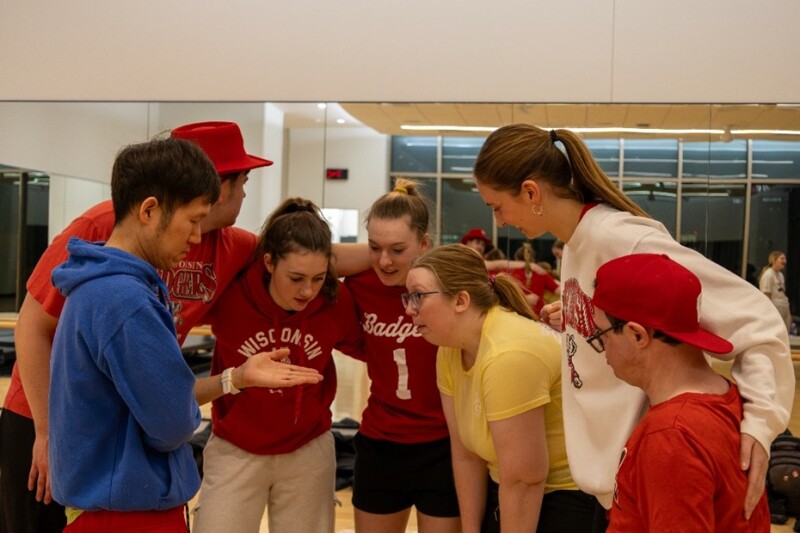
Join Special Olympics, NIRSA and Badgers for Special Olympics in celebrating National Recreational Sports and Fitness Day. This day honors the idea that fitness is not exclusive, it belongs to anyone who wants to play, move and dance like no one is watching! From championship games to evening walks in the park, recreational movement reminds us that activity is something for everyone of all abilities.
Special Olympics and NIRSA have been programming partners since 2015. If you would like to learn more or get your college involved in Special Olympics, visit the Special Olympics College Programming webpage or email socollege@specialolympics.org.